
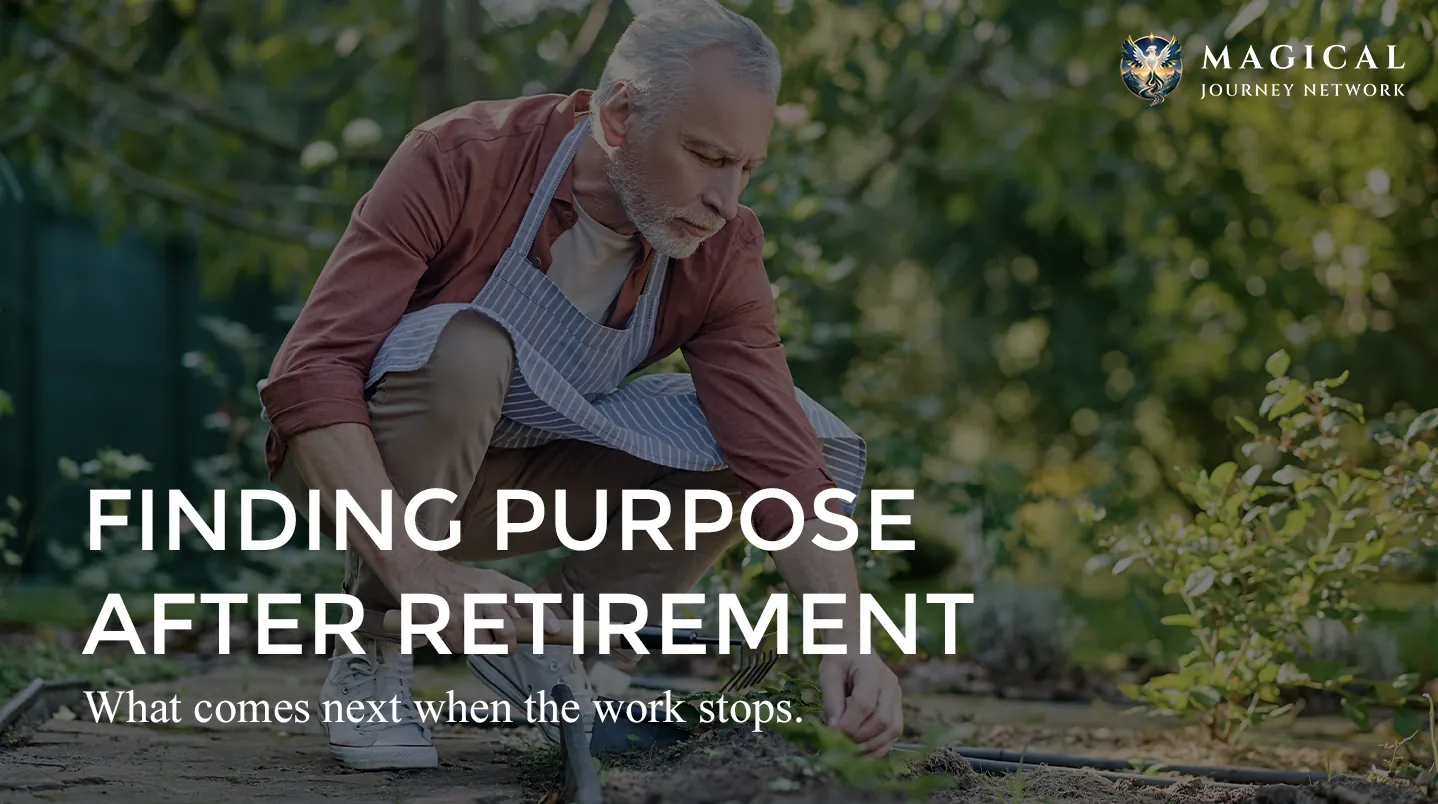
For years, retirement is the finish line. Then you cross it, and the first few weeks feel wonderful. Sleeping in. No meetings. Time for the projects you kept putting off.
And then, for many people, something unexpected shows up. A strange restlessness. A quiet Monday that feels too quiet. The sense that you were somebody at work, and now you are not quite sure who you are.
If that sounds familiar, nothing is wrong with you. Losing a sense of purpose after retirement is one of the most common and least talked about parts of this transition. The good news is that purpose is not something you lose forever. It is something you rebuild, often in a richer form than before.
Why Retirement Can Feel So Disorienting
Work quietly gives us a lot more than a paycheck. It gives us structure, a reason to get dressed, people who expect us, problems to solve and a clear answer to the question, what do you do? When work ends, all of that ends at once.
- Structure: the shape of your day disappears overnight
- Identity: your title was part of how you saw yourself
- Connection: many of your daily conversations happened at work
- Contribution: the feeling of being needed suddenly goes quiet
Seeing it this way helps. You are not missing work itself as much as the things work used to provide. Each one can be rebuilt on purpose.
Purpose is not something you find once. It is something you keep choosing.
Start With What You Are Proud Of
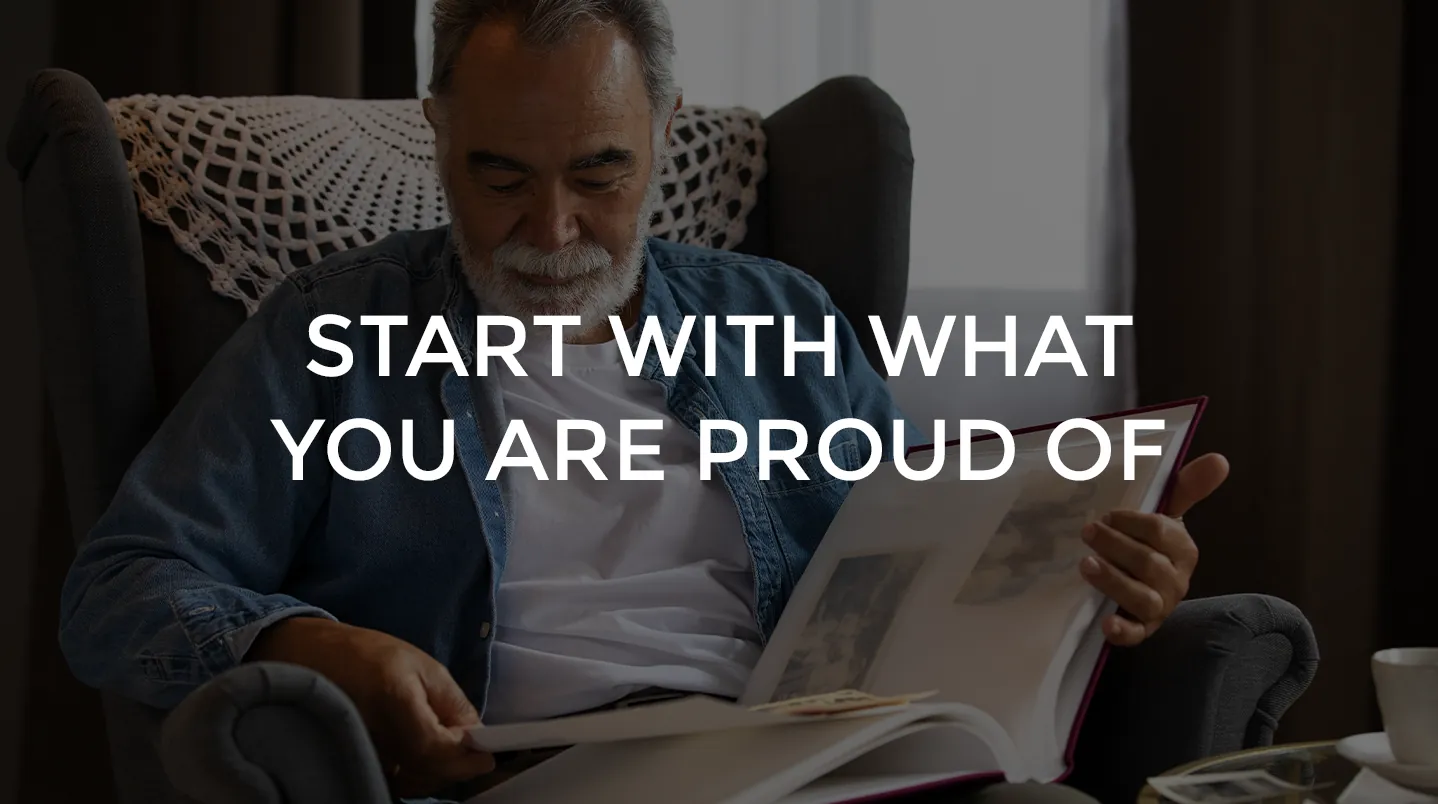
Before planning what comes next, look back with kind eyes. What did you build? What did you get through? Who did you help along the way? Most retirees underestimate how much they carry: skills, stories and hard-earned wisdom that someone younger is hungry for.
Notice What Still Lights You Up
Make a list of what you have always wanted to try, places you want to see and things you want to learn. Do not decide yet what is realistic. Purpose often hides in the items that make you smile a little as you write them down.
Rebuild Structure, Gently
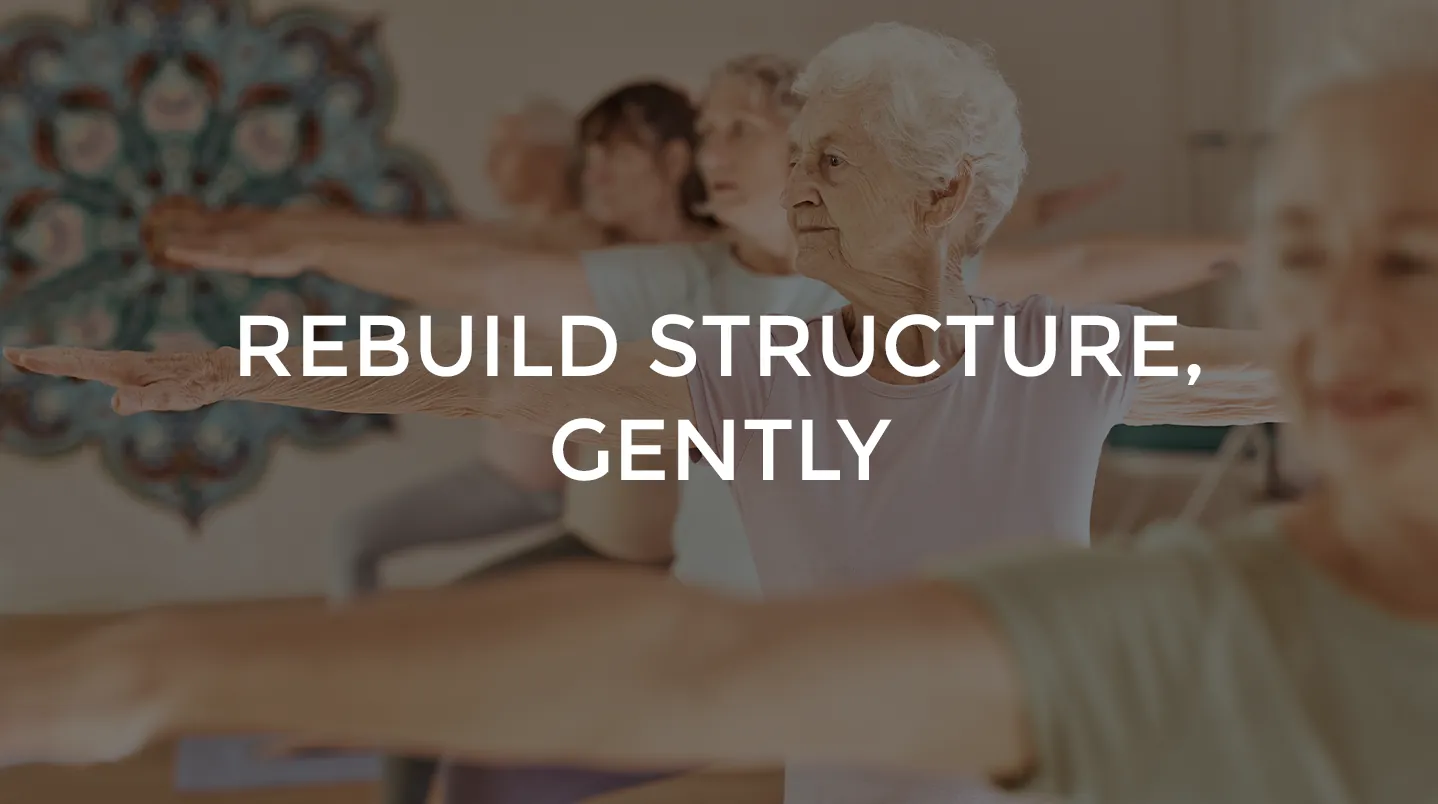
You do not need a nine-to-five schedule, but most people feel better with some rhythm. Try anchoring each week with a few fixed points: a standing coffee with a friend, a class on Tuesdays, volunteering on Thursday mornings. Small commitments give the days shape without taking away your freedom.
We wrote about the value of a slower pace in Why Slowing Down Is Actually a Power Move. Retirement is a chance to choose your pace on purpose.

Give What You Know
One of the most reliable sources of purpose after retirement is passing on what you have learned. People a few steps behind you on a road you have already walked need exactly what you have: perspective, patience and proof that it gets better.
That might look like volunteering, teaching a skill, helping at a local organization, or mentoring someone through a career change or a hard season. If you have ever wondered what giving that kind of support does for the giver, Why Become a Mentor is a good place to start.

Stay Connected on Purpose
Loneliness can creep in after retirement, especially if most of your friendships lived at work. Connection rarely happens by accident at this stage. Join something that meets regularly. Say yes to invitations. Reach out first. A weekly walk with one good friend can do more for your wellbeing than you might expect.
If the low mood lingers, or you feel hopeless for weeks at a time, please talk with your doctor or a licensed mental health professional. In the US, you can call or text 988 any time to reach the Suicide and Crisis Lifeline.
Purpose Changes Shape, and That Is Okay
The purpose that drove your working years may not be the one that fits now, and that is not a loss. Earlier in life, purpose often meant providing, achieving and building. In retirement, it can mean teaching, caring, creating, exploring or simply being present for the people you love.
Let yourself try on different versions. Some will fit and some will not. Each experiment teaches you a little more about who you are in this new season, and that self-knowledge is part of the gift of having time.
Small Ways to Start This Week
Purpose does not need a grand plan. It often begins with something small and specific that you can do in the next seven days.
- Call one person you have lost touch with and catch up
- Sign up for a class at a library, community college or senior center
- Offer an hour of help to a neighbor, a school or a local nonprofit
- Write down three things from your working life you are proud of
- Plan one day this week around something you love doing
Notice how each one feels. The activities that leave you with more energy than they took are clues. Follow them.
What If Your Partner Is Still Working, or Already Retired?
Retirement changes relationships too. Couples often find they need to renegotiate time, space and routines. Talk openly about what each of you wants from this season. Plan some things together and keep some things that are just yours. A little honesty early saves a lot of friction later.
Your Second Act Is Still Being Written
Retirement is not the end of contribution. It is a change in how you contribute, and with more freedom than you have ever had. Start small. Try things. Notice what gives you energy. Purpose tends to show up when we are moving, not when we are waiting for it.
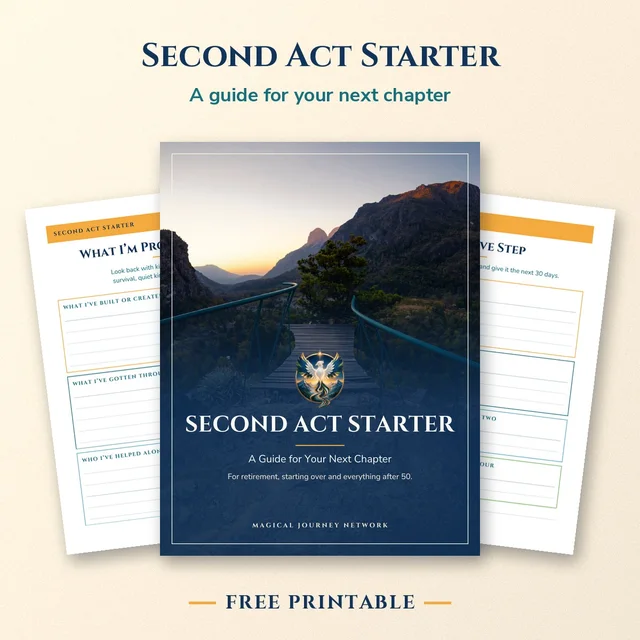
If you want a gentle place to start, grab the free Second Act Starter below. And if this helped, a gift to support the mission keeps peer mentorship free for the next person standing where you are.
No one transforms alone.
You don't have to figure out the next move alone. Mentorship with MJN is one-to-one and always free.

Ania is COO and Head of Creative at Magical Journey Network, where she shapes the writing, the website, and the way MJN shows up in the world. A two-time bestselling author, she writes about mentorship, healing, career transitions, and what it takes to change direction without losing yourself.