

Nobody plans to start over at 60 or 70. It usually happens to us. A marriage ends. A partner passes away. A job disappears a few years before we expected. The kids move across the country. Health, money or circumstances force a move to a new city where we do not know a soul.
Suddenly, the life you had carefully built has changed shape, and you are standing in front of a blank page at an age when you thought the story was mostly written.
If that is where you are, please hear this first: it is not too late. Starting over later in life is hard, but people do it every day, and many of them say the chapter that followed was one of the most honest and meaningful of their lives.

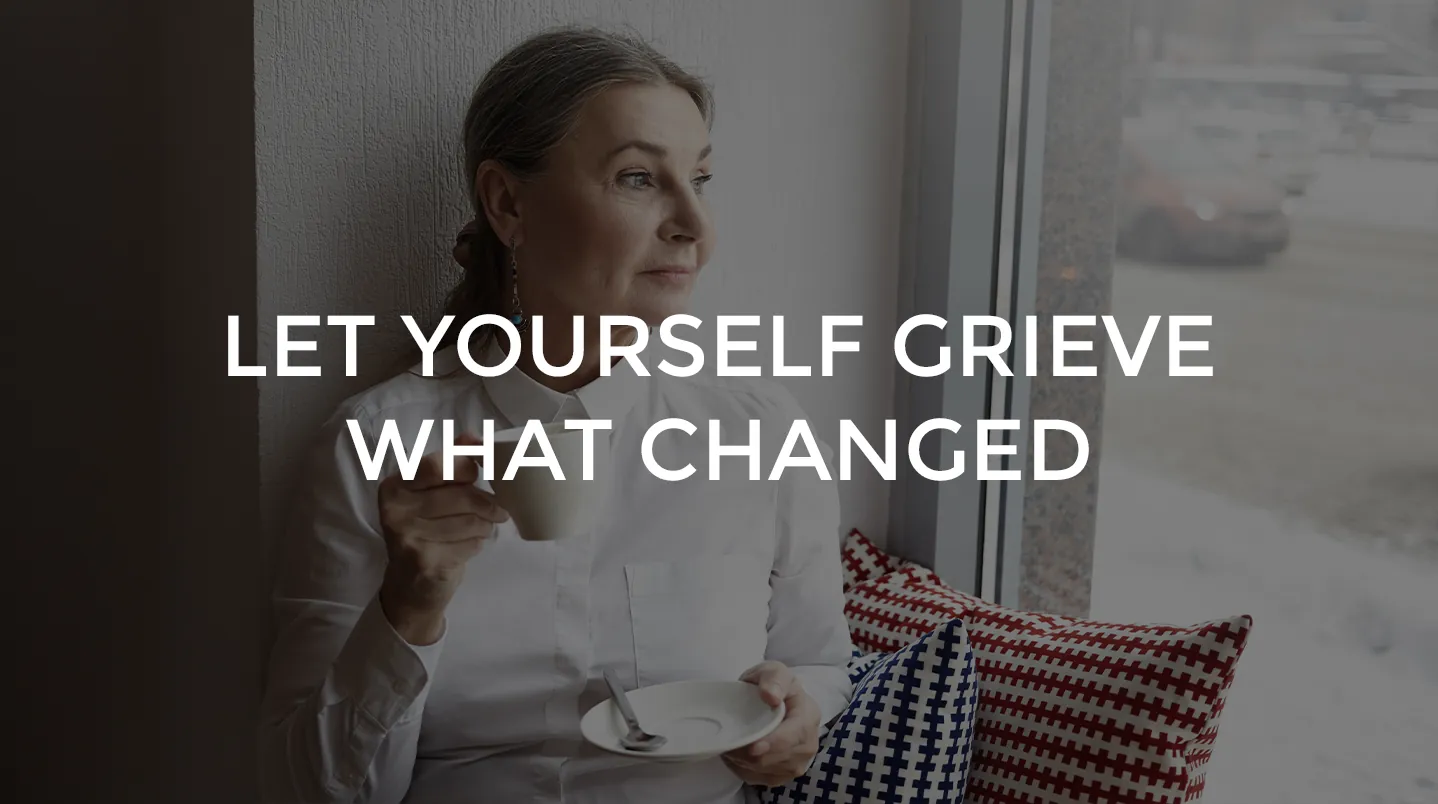
Let Yourself Grieve What Changed
Starting over usually begins with an ending, and endings deserve to be felt. You may be grieving a person, a role, a home or simply the future you expected. Rushing past that grief rarely works. Give yourself permission to be sad, angry or unsure for a while. It is part of the road, not a detour from it.
You are not starting from scratch. You are starting from experience.
Take Stock of What You Bring
Decades of living have given you more than you might realize. Resilience from the hard seasons you already survived. Skills from work and family. A clearer sense of what matters and what does not. Write these down. On difficult days, that list is proof of who you are.

Start Smaller Than You Think
When everything has changed, big plans can feel overwhelming. Instead, aim for small, steady steps that rebuild a sense of control.
- Create a simple daily rhythm: a morning walk, regular meals, a set bedtime
- Choose one new thing to try each week, even something tiny
- Say yes to one invitation, even when it feels easier to stay home
- Learn one practical skill your new situation requires

Rebuild Your Circle
Starting over often means a smaller social world, at least for a while. Connection takes intention at this stage of life, and it is worth the effort. Classes, faith communities, volunteer groups, walking clubs and local events are all good places to meet people who share your interests.
It also helps to talk with someone who has been through a similar change and come out the other side. Peer mentorship offers exactly that: a real person who remembers what this felt like. Read What Is Peer Mentorship? to learn how it works.

Make Room for What You Always Wanted
Here is the surprising gift hidden inside many fresh starts: fewer obligations, and more freedom to choose. Is there something you set aside decades ago? A skill, a place, a kind of work, a creative dream? Starting over can be the moment you finally pick it back up.
If you are unsure where you even want to go, Feeling Lost in Life? 7 Honest Questions Before Your Next Move can help you find your footing.
Practical Steps That Help
Alongside the emotional work, a few practical steps can make a fresh start feel steadier.
- Get your paperwork in order: accounts, documents and any legal changes after a loss or divorce
- Talk with a trusted financial professional about your new situation
- Make your home feel like yours again, even with small changes
- Find a doctor and other local services early if you have moved
- Keep a simple notebook of what is working and what is not
These are not glamorous, but they lift a quiet weight. When the practical side feels handled, there is more room for the hopeful parts of starting over.
Let New People See the Real You
At 60 or 70, you no longer have to pretend to be someone you are not. That is a real advantage when making new friends. Share a little of your story. Ask about theirs. The connections that grow from honesty at this stage of life are often deeper than the ones we made when we were younger and busier.
Be Patient With the Timeline
Starting over does not happen in a month. It is normal for the first year to feel uneven, with good weeks and hard ones. Measure progress by small things: a new friend, a routine that sticks, a morning that felt light. They add up.
If sadness becomes heavy and does not lift, please reach out to a doctor or licensed mental health professional. In the US, you can call or text 988 any time to reach the Suicide and Crisis Lifeline.
Questions Worth Asking Yourself
When you are ready, set aside a quiet hour with a notebook and sit with a few questions. What do I want my days to feel like a year from now? Who do I want around me? What have I always said I would do someday? What is one thing I can stop doing that no longer serves me? You do not need perfect answers. Honest ones are enough to point the way.
The Best Chapters Can Come Late
Plenty of people have started businesses, fallen in love, moved abroad, earned degrees and found their life's work after 60. Not because it was easy, but because they decided the story was not over. Yours is not over either.
If you are ready to take the first small step, grab the free Second Act Starter below. And if this helped, a gift to support the mission keeps peer mentorship free for the next person standing where you are.
No one transforms alone.
You don't have to figure out the next move alone. Mentorship with MJN is one-to-one and always free.
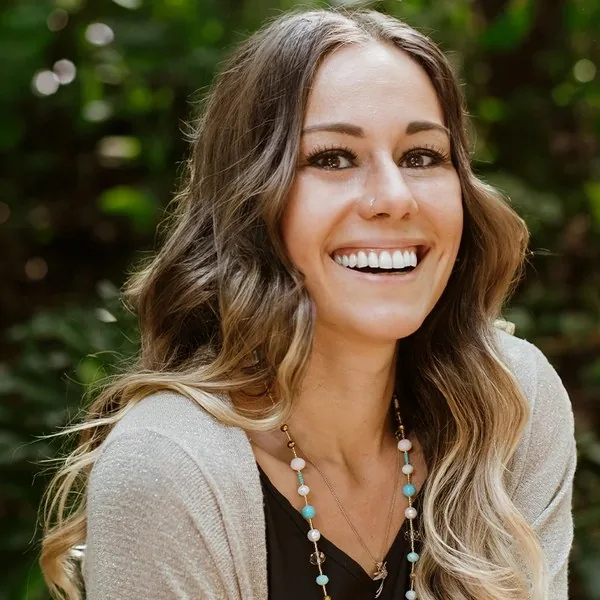
Ania is COO and Head of Creative at Magical Journey Network, where she shapes the writing, the website, and the way MJN shows up in the world. A two-time bestselling author, she writes about mentorship, healing, career transitions, and what it takes to change direction without losing yourself.